 info@raivafoundation.org
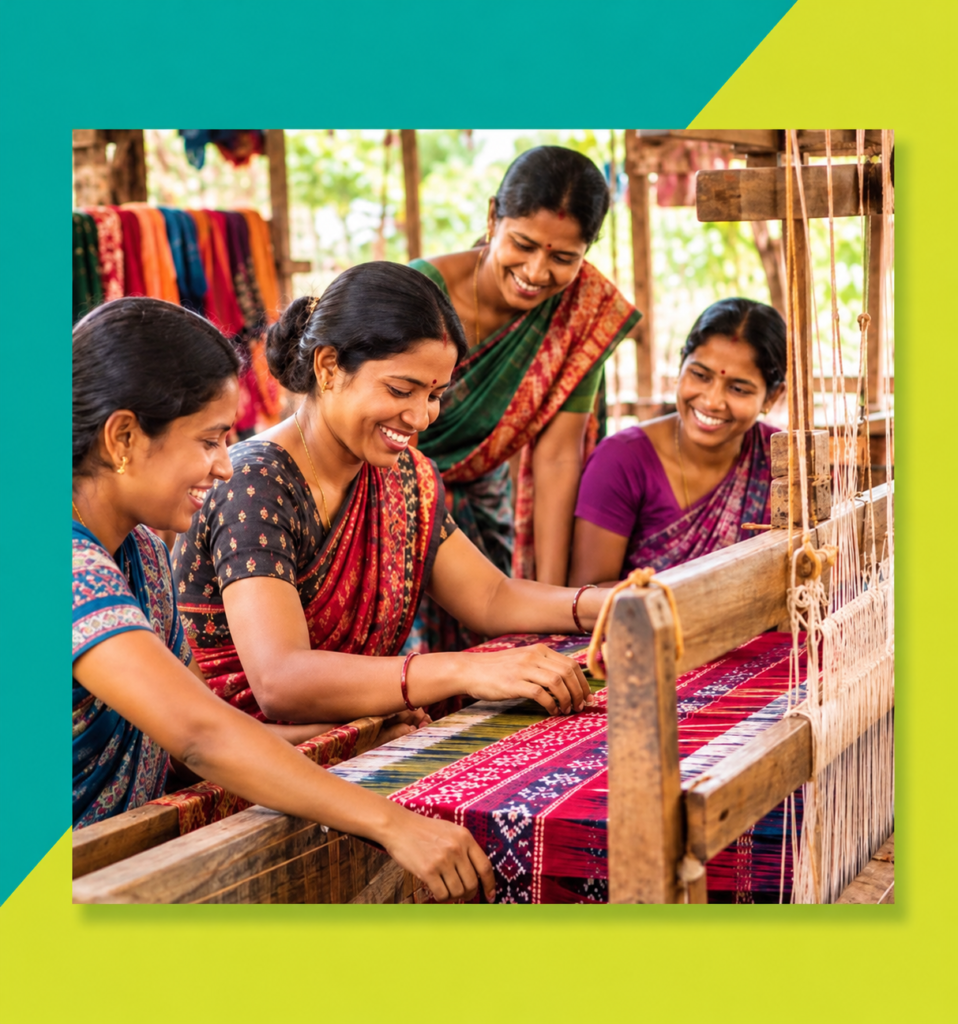
Our Handloom
Self-Employment Training
The Raiva Foundation promotes self-employment and sustainable livelihoods by providing skill development, entrepreneurship and market-oriented training to women, youth and traditional artisans.
- Skill Development: Training in weaving, tie-dye, tailoring, embroidery and beadwork.
- Entrepreneurship Skills: Business, marketing, digital and financial literacy to support micro-entrepreneurship and self-employment.
- Women & Youth Empowerment: Capacity building, leadership development and livelihood opportunities.
- Income Generation: Helping traditional skills develop into sustainable livelihoods and income-generating activities.
- Market Linkage: Building knowledge in branding, marketing, exhibitions and digital/e-commerce opportunities.
- Practical Training: Raiva Foundation has supported practical training initiatives, including a three-month programme for 20 female weavers and government-sponsored six-month handloom training with stipend and certification.
6-Month Skill Development Journey
A Journey of Skill, Confidence and Independence
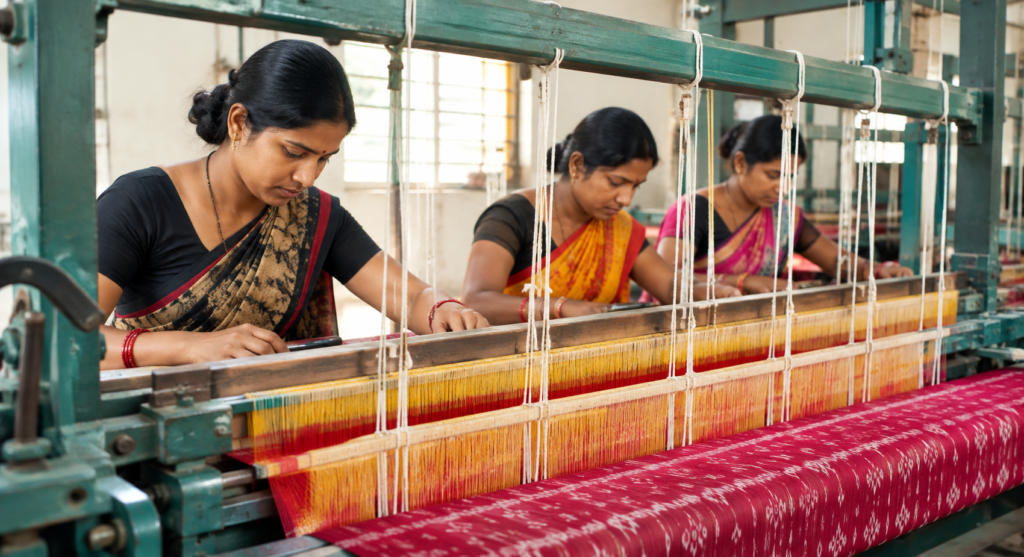
SKILL DEVELOPMENT
Building Skills For Better Opportunities.
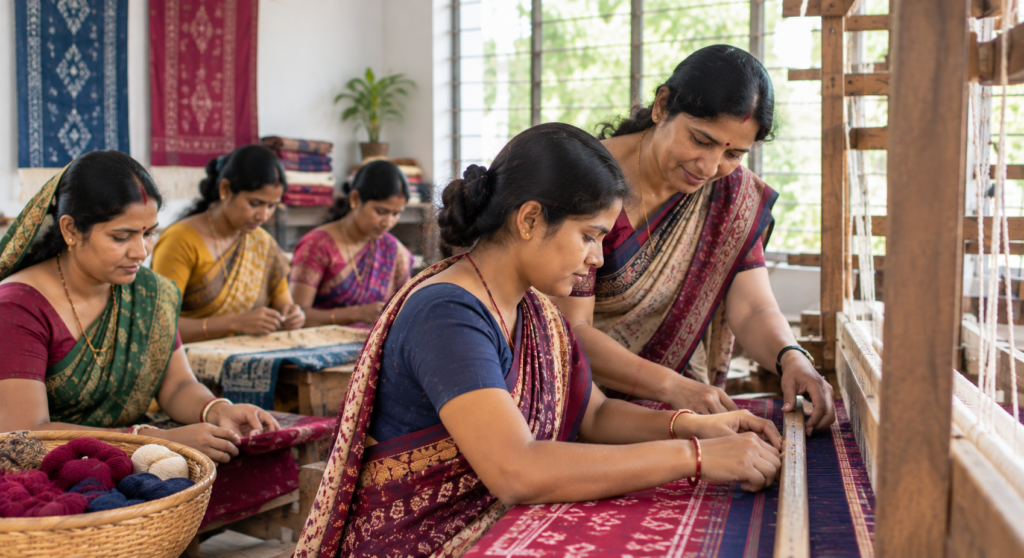
WOMEN EMPOWERMENT
Empowering Women Through Skills And Leadership.
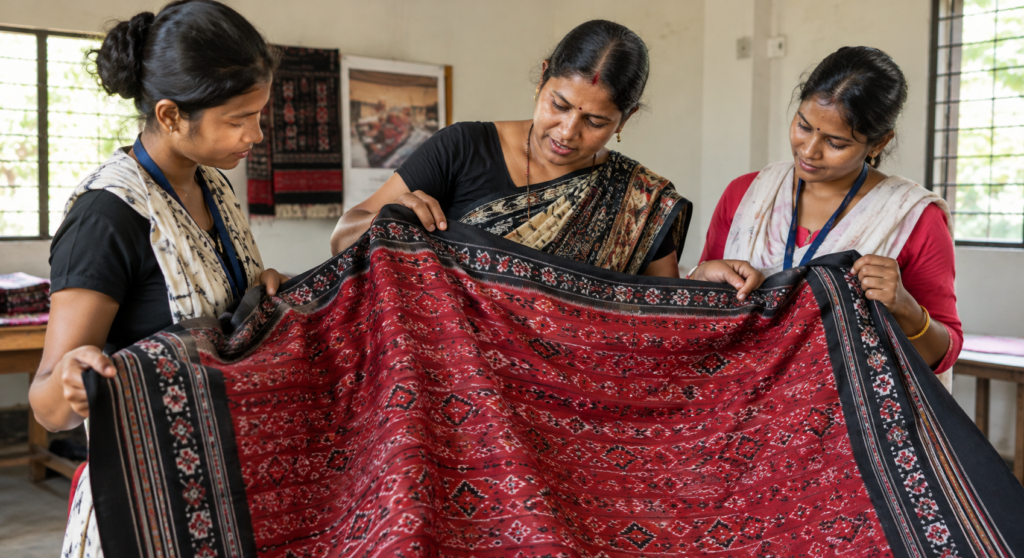
LIVELIHOOD CREATION
Creating Sustainable Livelihoods Through Handloom Skills.
Our Vision & Mission
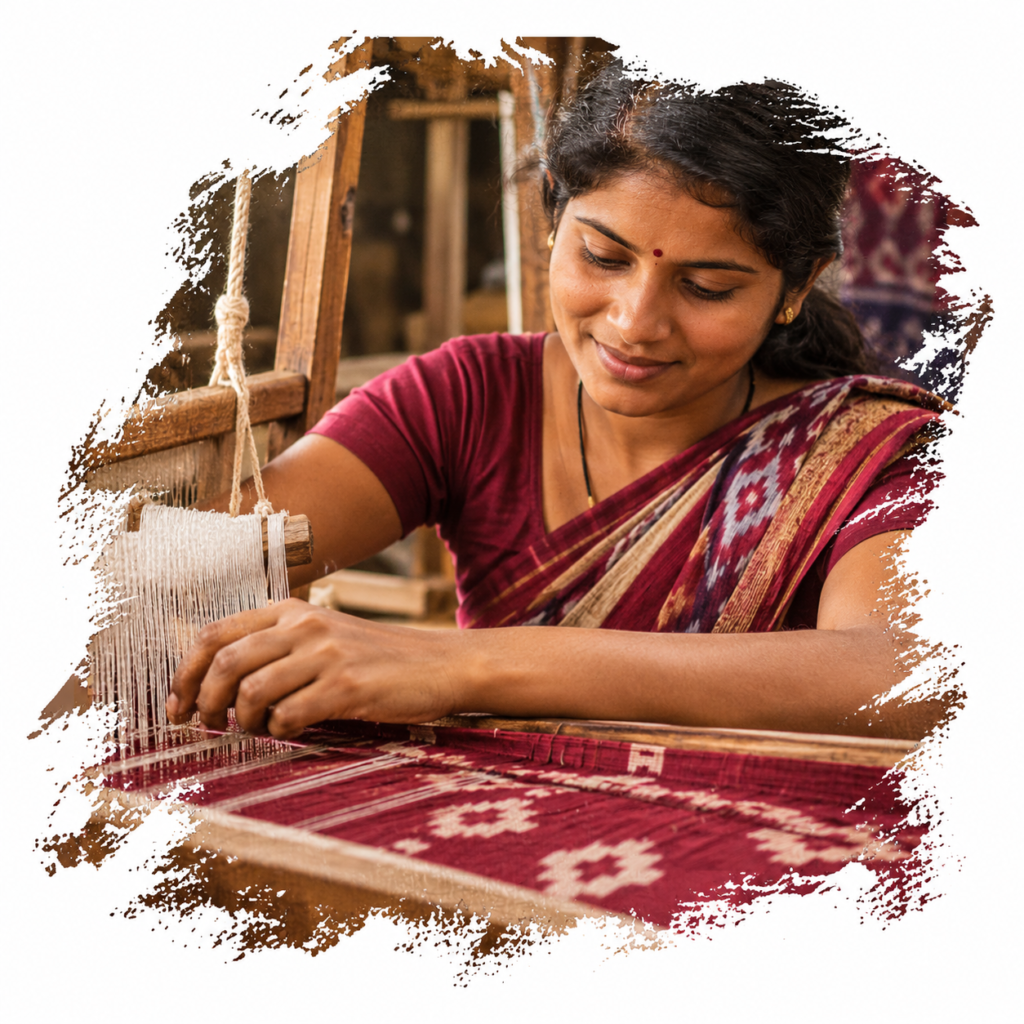
Raiva Foundation envisions a strong, empowered and sustainable handloom community where Odisha’s traditional weaving heritage is preserved while creating better livelihood opportunities for weavers, women and youth through innovation, leadership and inclusive development.
Our mission is to strengthen traditional handloom weaving through skill development, modern design, innovation, digital and financial literacy, entrepreneurship, leadership development and market linkages. We aim to empower weavers to improve their income, self-employment opportunities and participation in decision-making, while preserving Odisha’s rich cultural and traditional weaving heritage.
Through training, exposure visits, community organization, producer and cluster development, and market-oriented initiatives, Raiva Foundation works towards building self-reliant weaver communities, strengthening traditional skills and creating sustainable livelihoods for present and future generations.
Frequently Asked Questions
It is a skill development initiative focused on strengthening traditional handloom weaving skills and creating sustainable livelihood opportunities.
It is a skill development initiative focused on strengthening traditional handloom weaving skills and creating sustainable livelihood opportunities.
The programme focuses on weaving and related skills including Jhala work, tie-dye, tailoring, embroidery and beadwork.
Yes. The initiative aims to combine traditional weaving skills with modern designs and market-oriented innovation.
It promotes women’s skill development, leadership, gender sensitization, confidence and greater participation in decision-making.
Yes. Digital and financial literacy, business, marketing and entrepreneurship skills are promoted to encourage self-employment and sustainable livelihoods.
Through market research, exposure visits, networking and market-linkage initiatives, the Foundation aims to help weavers understand market demand and access wider opportunities.
Our Approach/Solutions
Raiva Foundation works to strengthen handloom communities by combining traditional skills with new opportunities. We focus on skill development, modern design, women’s empowerment, digital and financial literacy, entrepreneurship and market linkages.
Through training, exposure visits, community organisation and producer/cluster development, we help weavers improve their skills, explore new markets and create sustainable livelihood opportunities while preserving Odisha’s rich handloom heritage.